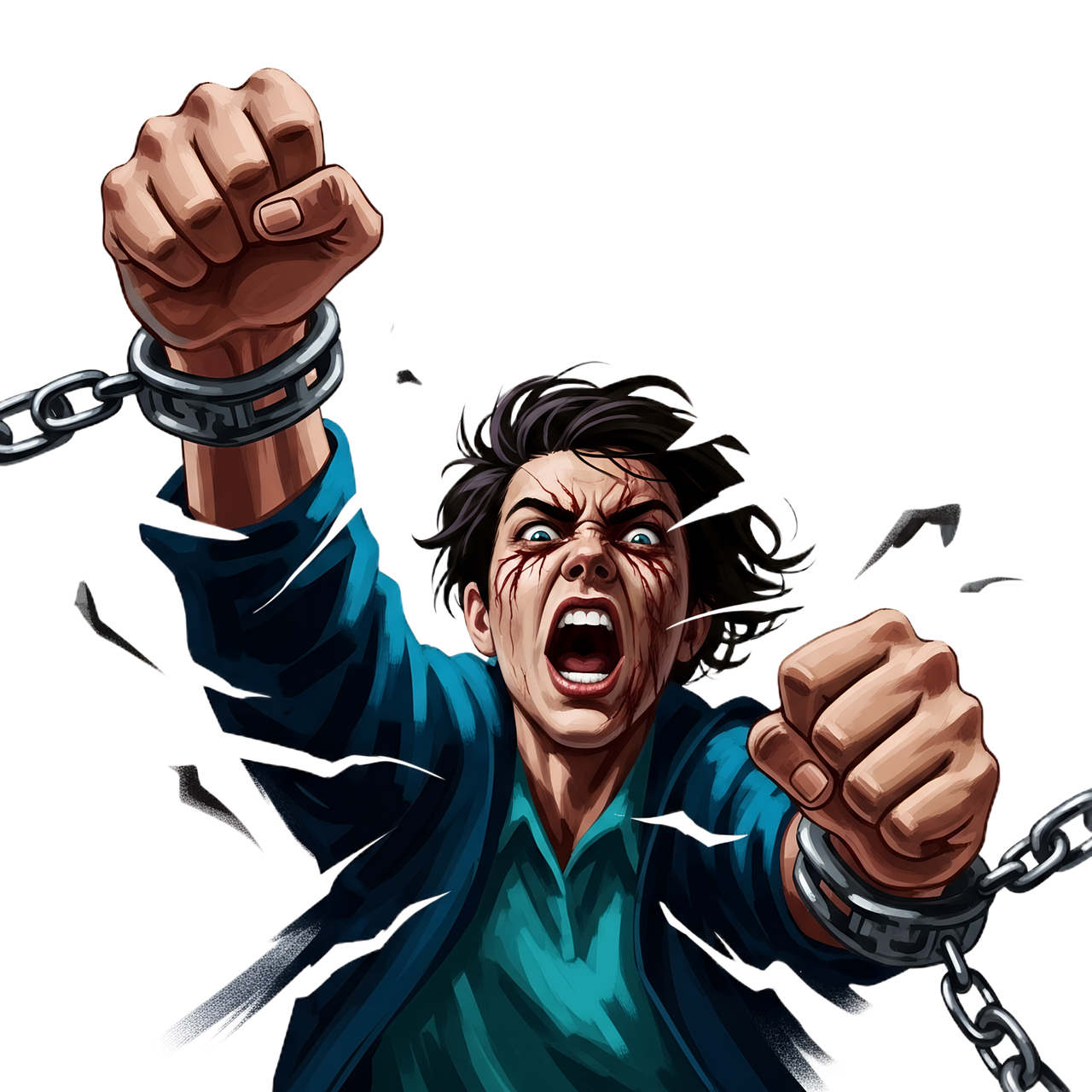
The True Nature of Your Identity
Do you ever feel like you're playing a role, or that the "you" people see isn't quite the whole story? Many of us get caught up in who we think we are based on our jobs, our past experiences, or what others expect. This can leave us feeling limited and disconnected from our true selves.
This article will help you understand that your everyday identity isn't your deepest reality. You'll learn how to look beyond the labels and stories to discover a more profound sense of being. We'll explore how to let go of false ideas about yourself and connect with your true, unchanging essence.
Beyond the Name and Story
The "you" you usually think about – your name, your history, your personality, the roles you play like parent, employee, or friend – is not your real self. Think of it like a costume you wear. It's useful for navigating the world, but it's not the person underneath.
This collection of labels and stories is often called the ego. It's the image we build up about ourselves. While it helps us function, it's a temporary thing, like a cloud passing in the sky. It's not the unchanging sky itself.
Real-world application: When you're upset because someone criticizes your work, you might be reacting to an attack on your ego-identity as a "good worker." But your true self isn't defined by one piece of work.
Expert tip: Notice when you strongly identify with something external, like a job title or an achievement. Ask yourself, "If I no longer had this, would I still be me?" This helps separate your core being from temporary roles.
The Vastness Within You
Your true identity is something much bigger and more open than any label. It's the space where all your thoughts, feelings, and experiences happen. It's like the ocean, which contains all the waves but is not defined by any single one.
This deeper self is formless potential. Before any thought or feeling arises, there is just awareness. This awareness is your true nature. It's the silent observer of everything, capable of experiencing all things but attached to none.
Real-world application: When you feel overwhelmed by worries, recognize that the worries are like passing clouds. Your true self is the sky that remains, always present and unaffected by the clouds.
Expert tip: Try a simple mindfulness exercise. Sit quietly and just notice your breath. Don't try to change it. Just observe. This practice helps you connect with the quiet awareness that is always there, beneath the surface of your thoughts.
Releasing False Beliefs
Sometimes we adopt beliefs about ourselves that aren't true. These might come from what others have told us, or from past experiences that shaped our view. These are like borrowed clothes that don't quite fit.
These false identifications can be things like "I'm not good enough," or "I'm always unlucky." They are not part of your essential being. Letting go of these mistaken ideas is like taking off those ill-fitting clothes.
Real-world application: If you believe you're bad at public speaking, you might avoid opportunities to speak. Realizing this belief is a false identification allows you to approach speaking situations with more openness and less fear.
Expert tip: When a negative thought about yourself pops up, pause. Instead of accepting it as truth, ask, "Is this really me, or is it just a thought I'm having?" This creates space to question the belief.
The Paradox of Your True Self
Understanding your true identity involves embracing some interesting paradoxes. You are not who you think you are, but you are also who you believe you are not. It sounds confusing, but it points to a deeper truth.
The core idea is to deny the illusion (the false ego-identity) and affirm the formless (your true nature as awareness). By letting go of what you are not, you naturally realize what you truly are.
Real-world application: When you feel stressed about a future event, you are identifying with a projected future self. Your true self is simply present now, aware of the thought of the future, but not caught up in it.
Expert tip: Practice saying "I am" followed by something that feels true to your deepest being, like "I am presence" or "I am awareness." This helps shift your focus from the limited self to the boundless self.
Visual Break: Imagine a picture of a vast, clear blue sky with a few small, wispy clouds. The sky represents your true self – vast, unchanging, and always present. The clouds represent thoughts and temporary identities that pass through.
Practical Steps to Realize Your True Nature
Here's how you can start to experience this deeper understanding of yourself:
- Observe your thoughts: Throughout the day, notice the thoughts that arise. Don't judge them, just observe them as mental events.
- Question your identities: When you strongly identify with a role or a characteristic, gently ask yourself if that is your entire being.
- Practice stillness: Dedicate a few minutes each day to simply being still and present. Focus on your breath or the sensations in your body.
- Let go of labels: When you catch yourself labeling yourself or others, try to release that label and see the person or situation without it.
- Embrace the unknown: Be comfortable with the idea that your true self cannot be fully defined or limited by words or concepts.
Conclusion
Your true identity is not found in your name, your job, or your past. It is the pure awareness that underlies all of these. By releasing the false images we hold of ourselves and embracing the vastness within, we can connect with a profound sense of peace and being. This realization is not about becoming someone new, but about remembering who you have always been.
FAQ
- Is this about being selfish? No, this is about understanding your deepest self, which is connected to everything. When you realize your true nature, you naturally act with more compassion and understanding towards others.
- How do I know if I'm making progress? You might notice a greater sense of peace, less reactivity to difficult situations, and a feeling of being more present in your daily life. It's a gradual unfolding, not an overnight change.
- Can I still have a personality? Yes, your personality is still there as a way to interact with the world. The difference is that you no longer mistake your personality for your entire being. You are the awareness that experiences the personality.